
WHAT IS ACUPUNCTURE, AND HOW CAN IT HELP?

Acupuncture works by stimulating specific points along pathways in the body known as meridians, through which our vital energy, or Qi (pronounced "chee") flows. When this flow becomes blocked, depleted, or imbalanced, physical and emotional symptoms can arise. By inserting fine needles into carefully selected points, acupuncture restores the smooth flow of Qi, encouraging the body's own natural healing processes and bringing it back into balance. From a modern scientific perspective, acupuncture has been shown to stimulate the nervous system, promote the release of endorphins and other natural pain-relieving chemicals, reduce inflammation, and regulate various physiological processes, offering a credible explanation for the wide-ranging benefits that so many people experience.
Find recent studies on the effectiveness of acupuncture below:
…and you can look at summaries of the evidence for acupuncture in treating different conditions here.
What do other experts say?
The World Health Organisation has produced a report which lists a wide variety of diseases and disorders for which acupuncture therapy has been tested in controlled clinical trials, see here.
FIVE ELEMENT ACUPUNCTURE
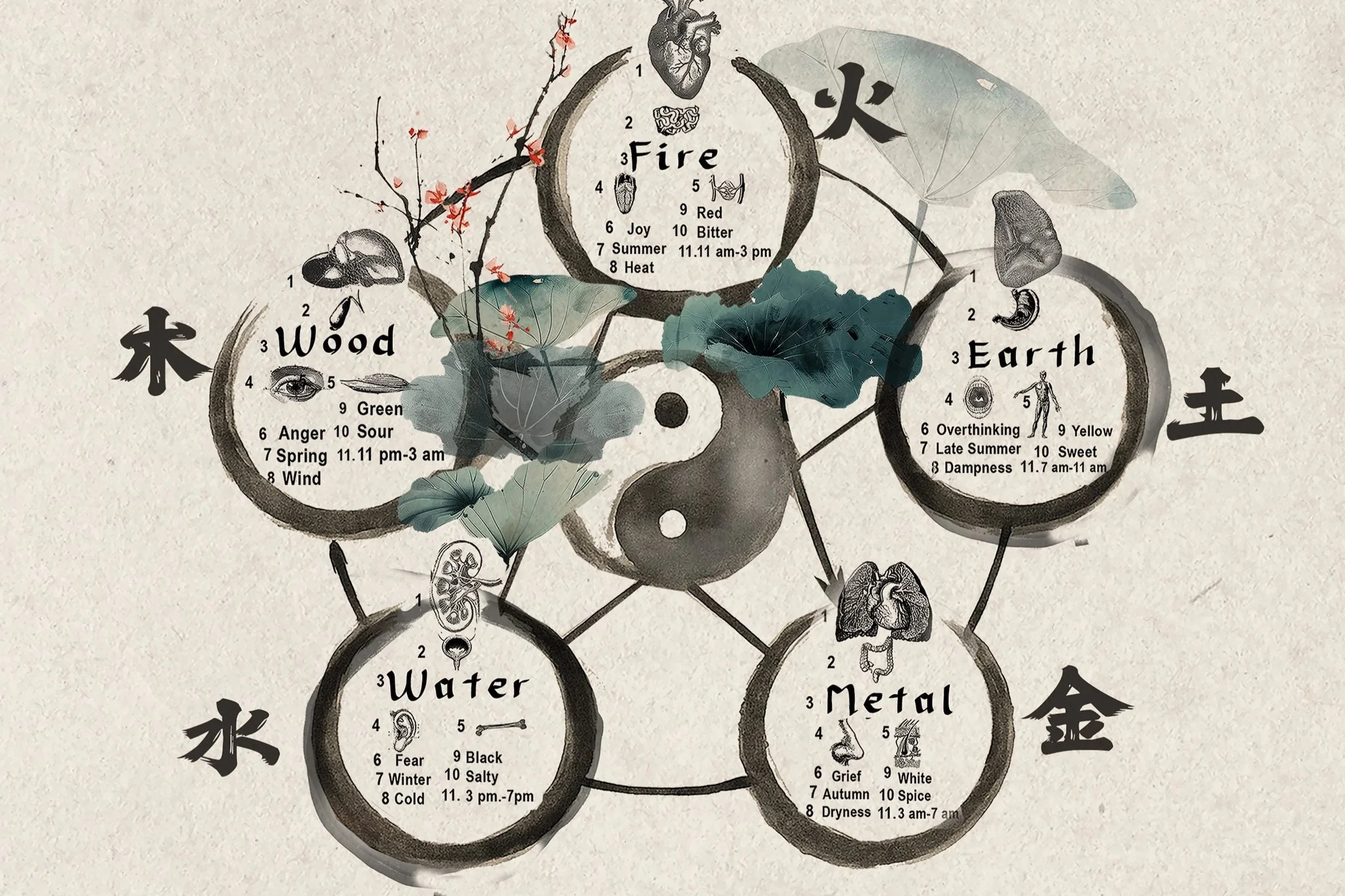
Not all acupuncture is the same, and my approach can make a significant difference to your experience and outcomes. What sets my practice apart is the use of an integrated approach, drawing on two powerful and complementary styles of acupuncture; Five Element acupuncture and Traditional Chinese Medicine (TCM) acupuncture, to offer truly personalised, whole-person care.
Five Element acupuncture is a deeply holistic style of treatment rooted in the idea that our physical health, emotions, and spirit are inseparable. Rather than simply addressing symptoms, it seeks to identify and treat the underlying imbalance at the root of your condition, whether that manifests as pain, emotional difficulty, fatigue, or any other concern.
One of the most distinctive aspects of Five Element acupuncture is its gentle approach. Treatments typically use very few needles, yet can produce profound and lasting results. This is because the focus is on quality over quantity, selecting the most precise and meaningful points to reconnect you with your natural state of balance and vitality. Many people find Five Element treatments to be a deeply moving and restorative experience, addressing not just how they feel physically, but how they feel in themselves.
TCM ACUPUNCTURE
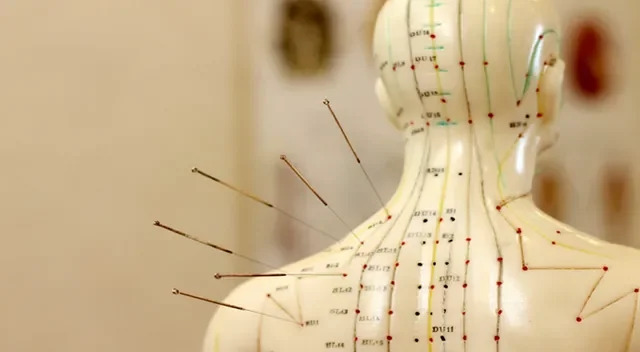
Traditional Chinese Medicine acupuncture takes a more symptom-focused approach, using a well-established system of diagnosis to identify patterns of disharmony in the body and address them directly. It is particularly effective for targeting specific physical complaints, such as pain, digestive issues, hormonal imbalances, or sleep disturbances and draws on a rich body of clinical knowledge accumulated over thousands of years.
THE POWER OF INTEGRATION

Used together, these two approaches are exceptionally effective. While Five Element acupuncture works at a deeper level to restore balance and treat the whole person, TCM acupuncture provides targeted relief from the symptoms that are affecting your day-to-day life. The result is a treatment that is both thorough and deeply personal, one that addresses not just what is wrong, but why, and supports you on every level.
This integrated approach means that no two treatments are ever the same. Each session is tailored entirely to you, to how you are presenting on that day, what your body needs in that moment, and what will serve your long-term health and wellbeing most effectively.
By working with both Five Element and TCM acupuncture, I am able to meet you wherever you are, whether you are seeking relief from a specific condition, looking to address long-standing emotional patterns, or simply wanting to invest in your overall health and vitality.
Combined with a genuine passion for this medicine and a commitment to understanding you as a whole person, this integrated approach is at the heart of everything I do, and it is what I believe makes a lasting difference to the people I treat.